Colosseum + Forum + Palatine
Treat these as one concentrated historical block and book the important entry ahead when needed. Afterward, change texture rather than adding another giant monument immediately.
ANCIENTCOUSIN-TESTED · ITALY
Marble, espresso, night walks and the beautiful disorder of a city that keeps exposing another century underneath the last one.
Rome works when you stop trying to collect it. Group the major ancient sights, protect long walks between squares, and leave enough appetite for the neighbourhoods that make the monuments feel like part of a living city.
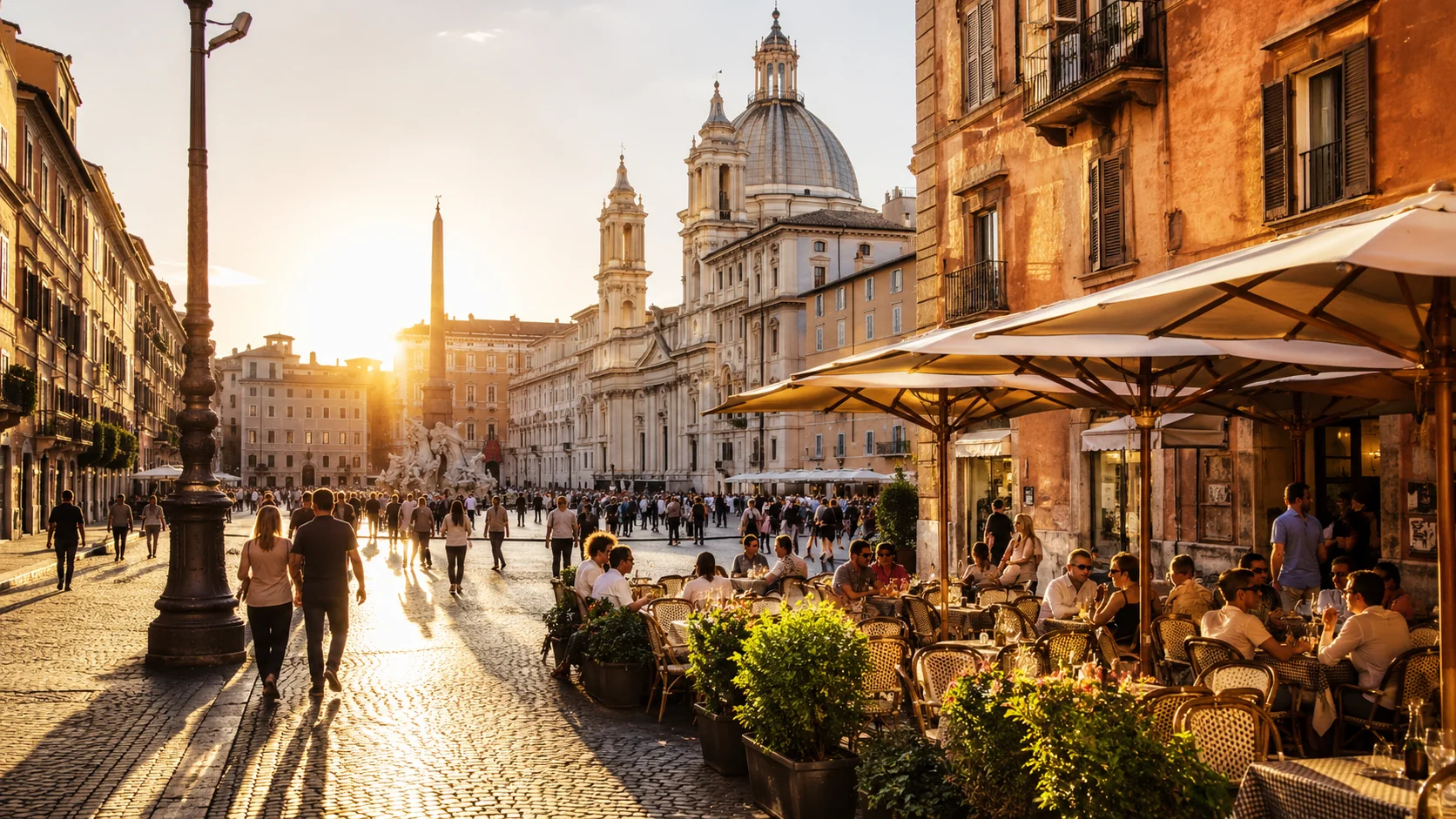
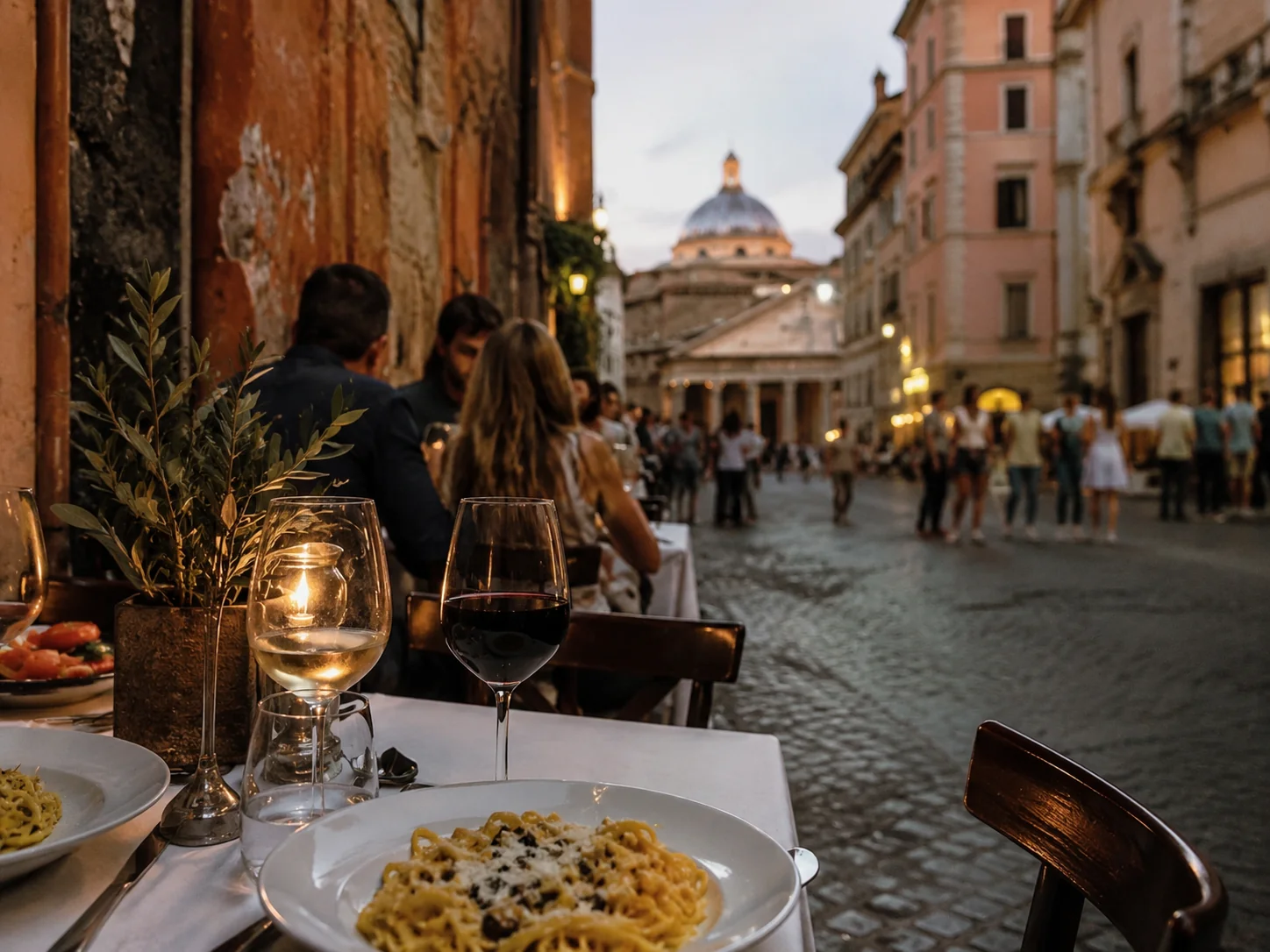
Rome rewards the pedestrian. The route from one “must-see” to the next is often where the city quietly wins the argument.
THE PLACES THAT DEFINE THE TRIP
These anchors give the trip weight without turning it into an archaeological endurance test. Ancient Rome, neighbourhood evenings, the river and a viewpoint or two to reset the scale.
Treat these as one concentrated historical block and book the important entry ahead when needed. Afterward, change texture rather than adding another giant monument immediately.
ANCIENTA useful bridge between the ancient core and the lived-in city. Slow down here for streets, wine bars, small shops and an evening that does not need an itinerary.
WANDERLink the historic centre by walking, not taxis. Start with Trevi early or late, give the Pantheon real time, then continue toward Piazza Navona as fountains, churches, courtyards and cafés appear naturally.
WALKCross the river for narrow streets, squares, trattorias and a livelier evening. Go with the atmosphere, but do not mistake the busiest lane for the whole neighbourhood.
NIGHTUse the Orange Garden / Aventine area as a slower viewpoint chapter after ancient Rome. It changes the pace without leaving the historical city behind.
VIEWFor a more food-led neighbourhood day, Testaccio gives you a different Roman rhythm beyond the postcard centre.
EATOpening times, access rules, transport and venue details can change. Check the latest official information before travelling, especially for booked attractions, trails and seasonal services.
TWO ICONS WORTH THE CROWD
Yes, everybody goes. Go anyway, just choose the timing better. These two are strongest when they feel like chapters in a walk through Rome rather than boxes on a checklist.
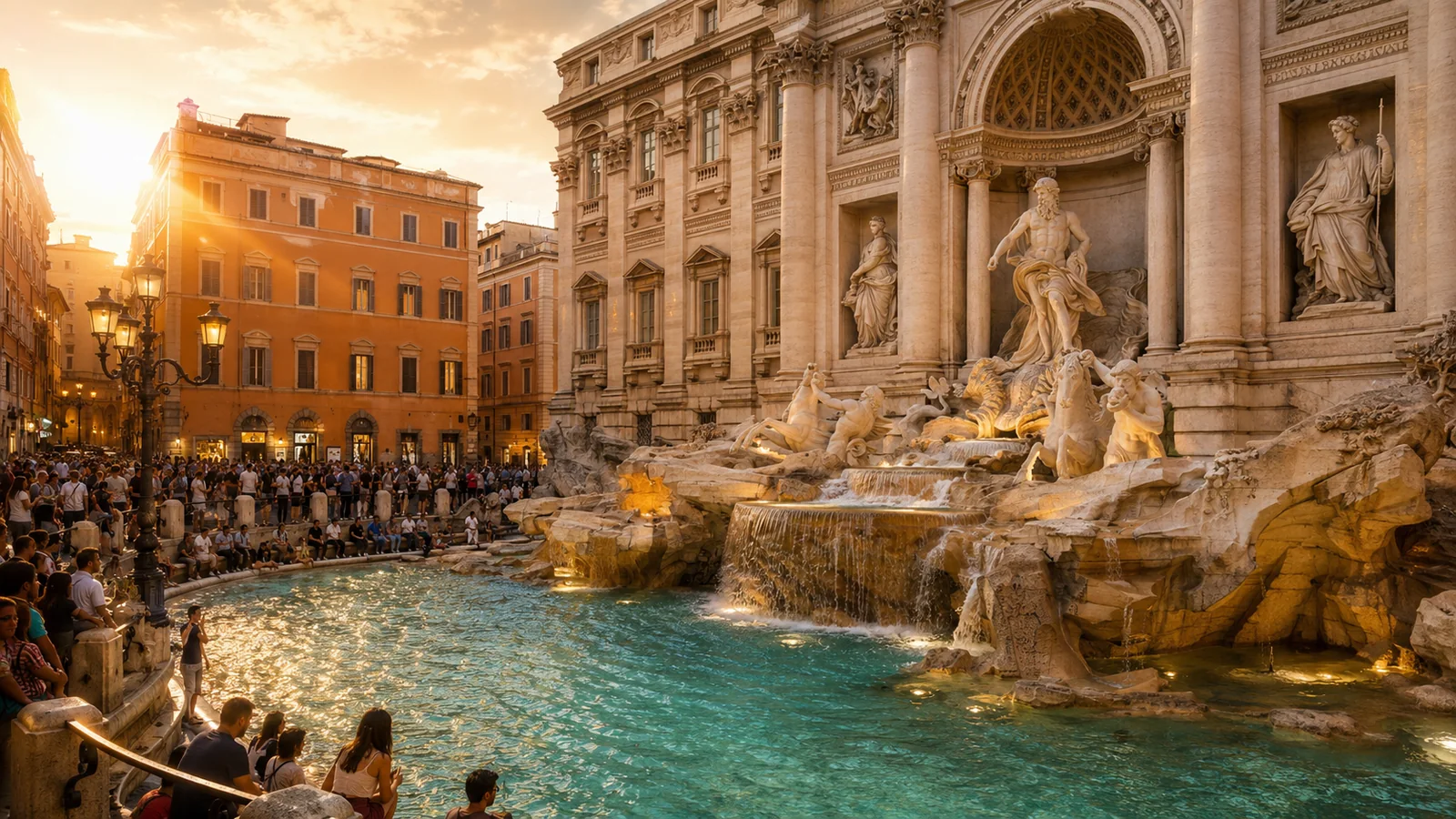
See it before the city fully wakes up or return after dinner when the light changes the stone. Stay for a few minutes instead of fighting the crowd for one photograph and escaping.
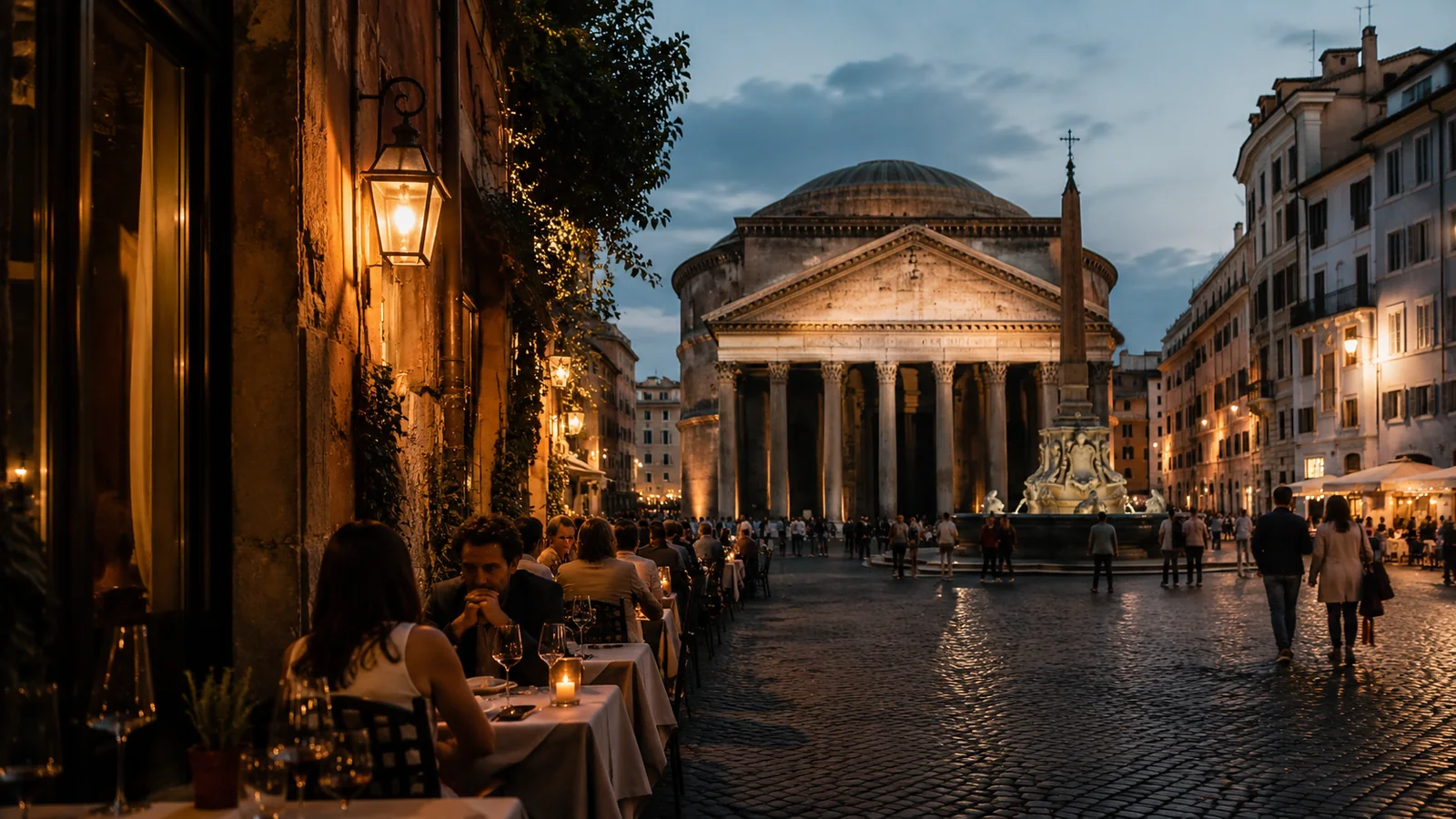
The exterior is powerful; the interior is where the proportions really land. Build it into a historic-centre walk, then step back outside for the piazza, coffee and the beautiful Roman habit of lingering.
THE COUSIN BLUEPRINT
Three days can work if each one has a centre of gravity. Four is better because Rome always creates a list of things you want to return to after you have already walked past them.
Start with the Colosseum/Forum/Palatine block, then deliberately step down the intensity with Monti, a long lunch and an evening on foot.
ANCIENT + LOCALMove through Pantheon, Piazza Navona, Campo de’ Fiori territory and the smaller streets between them. Save energy for a night walk when the stone changes colour.
CENTRE + NIGHTHandle the major booked sight early, then let the river become the transition into a slower afternoon and Trastevere evening.
ART + FOODUse the extra day for the Aventine, Testaccio, Appian Way, a museum, or simply the neighbourhood you wished you had not rushed.
FLEX DAYWHERE TO BASE YOURSELF
Rome is walkable only if your base supports the way you travel. Pick somewhere that makes your first coffee and your last walk easy, not merely somewhere that looks central on a zoomed-out map.
Close to ancient Rome with bars, cafés and a neighbourhood feel that survives after the monuments close.
Best when you want to step directly into the classic centre and are happy to pay for the privilege.
A strong choice if long dinners and late walks matter more than waking up beside the Colosseum.
“Walk until the map becomes unnecessary.”
Rome is not just the monuments you booked. The streets between them are full of churches, courtyards, fountains, fragments of stone and food smells that make the whole city feel continuous.
A SAMPLE RHYTHM
Book the things that genuinely require a time slot. Everything else should have enough slack for coffee, shade, churches you did not know existed and a lunch that runs over.
Give ancient Rome the morning, then step down the pace with Monti and a long evening walk.
Follow the city from square to square, stop often and save enough legs for Rome after dark.
Use the morning for the big booked sight, then drift toward the river and finish where dinner can become the evening.
Use the spare day for viewpoints, food and the less frantic side of the city rather than adding four more headline monuments.
COUSIN'S TRAVEL KIT
Rome is a walking city wearing ancient paving. Your feet will remember the trip before your camera does.
Cobblestones, heat and long days make comfort the single least glamorous luxury purchase in Rome.
Useful for long walking days and easier than buying another plastic bottle every time the city gets hot.
For churches, cooler evenings and shoulder-season changes without carrying a full backpack through the centre.
THE COUSIN KNOWS A GUY
Reserved for useful partners, not a wall of random links. When affiliate connections go live, the trip should still read like a guide first.
Future hotel picks around Monti, Centro Storico and Trastevere with the tradeoffs explained before the booking button.
PARTNER LINK · COMING SOONBookable ancient-Rome and Vatican experiences, plus smaller walking tours when context matters more than skipping a line.
PARTNER LINK · COMING SOONPractical airport transfers and arrival options, without pretending you need a car once you are inside central Rome.
PARTNER LINK · COMING SOON